
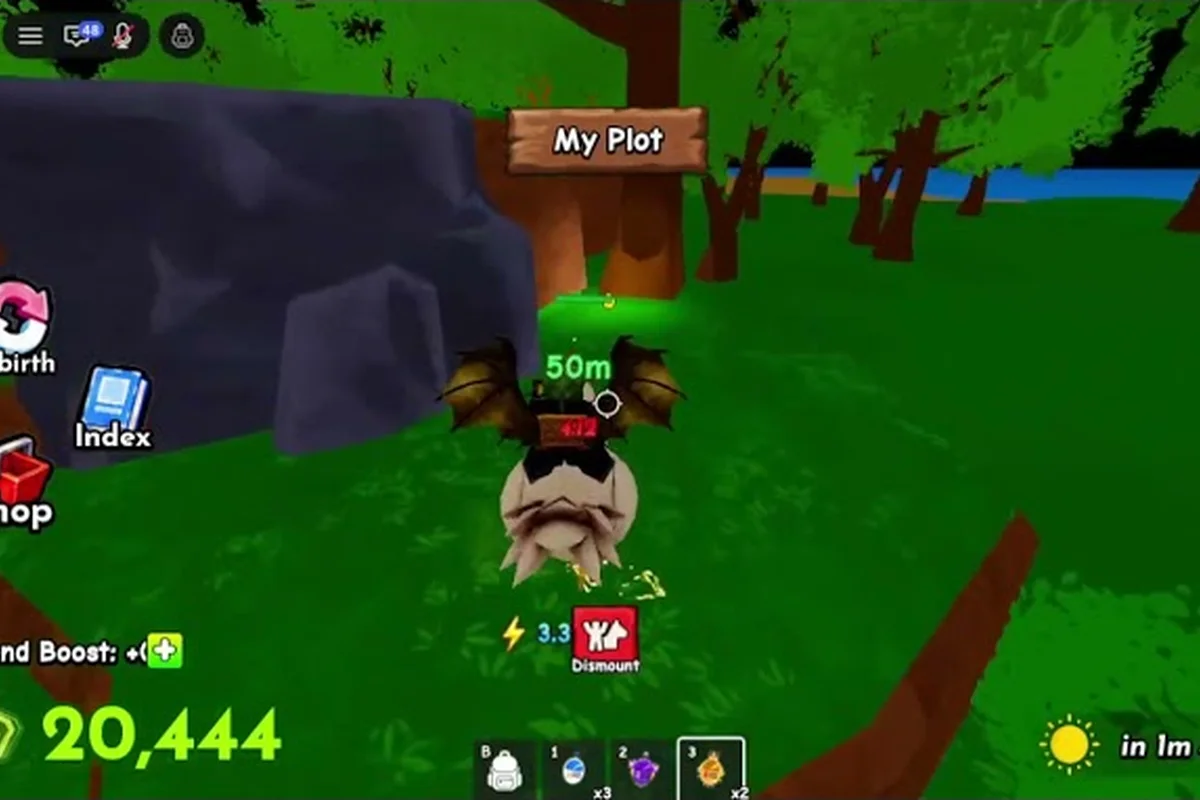
A ride a pet common egg is the first nest every player meets when they drop into the world, and the entire early game loops around it. Get the spawn rhythm wrong and you spend hours running empty-handed across the same starting biome; get it right and every few minutes a fresh pet joins your roster. This guide maps exactly how the common egg spawns, how long the timer takes, which starter pets are worth your first slots, and the cleanest routes to keep your inventory full while you save up for the rarer nests sitting behind it.
Common Egg Basics and Spawn Mechanics
The ride a pet common egg is a physical nest — not a menu option — scattered across the starter biome. The developer community group describes the how-to-play loop in two steps: find eggs, then hatch rarer and faster pets so you can reach further tiers of nest. That single sentence explains why the common egg matters so much: every better pet you own is funded by the pets that the common nest produces first.
Where Common Nests Sit on the Map
Common egg nests cluster in the lowest-traffic areas of the starting biome, usually within sight of the spawn pad, and three placement rules hold across player reports and community-tested farming routes: edge pockets, respawn rings, and hidden corners each account for roughly one-third of a full sweep. Community-mapped overlays show that ignoring even one of these zones cuts a starter egg farming lap's yield by 30–40%, because the game splits common egg spawns across all three patterns rather than stacking them in one obvious spot.
-
Edge pockets — beside cliffs, behind the first rock arch, and along the outer tree line.
-
Respawn rings — two to three nests form a loose ring around the spawn pad at roughly equal spacing.
-
Hidden corners — one or two nests tuck behind structures most players ignore on their first lap.
Because the nests are physical objects rather than menu rolls, your travel speed directly controls how many you can sweep per minute. A new player on foot grabs two or three nests in a clean lap; a player mounted on a fast starter pet pulls five or six in the same window.
Common Egg Spawn Timer and Respawn Window
Community testing pins the ride a pet egg timer for common nests at roughly 90 to 120 seconds per cleared location, with a short server-wide stagger that prevents every nest from popping at once. A practical egg spawn rhythm looks like this:
| Stage | Approximate Time | What Happens |
|---|---|---|
| Nest pickup | 0 s | Pet on the nest, ride-anim triggers, nest disappears |
| Server stagger | 0–20 s | Other players on the same nest see a cooldown marker |
| Respawn window | 90–120 s | A fresh common egg nest reappears at the same spot |
| Cluster refill | 120–180 s | All nests in the starting biome are full again |
The stagger window is the part most beginners miss. Running straight to the same nest you just cleared feels like a bug, but it is actually the ride a pet egg spawn cooldown working as designed. The fix is simple: keep moving in a loop and let the timer rearm while you visit other nests.
What the Common Egg Actually Drops
The common egg does not drop a single fixed pet — it drops from a small starter pool. Based on player reports and the egg-farming video community reference, the common pool usually includes one speed-oriented pet, one balanced pet, and one cosmetic pet that is weak in stats but useful for collection. The exact mix shifts with patches, which the developer community group flags through in-game announcements rather than a published changelog. For ride a pet egg farming purposes, only the speed-oriented pet from the common pool actually advances your loop. Treat the other two starters as bonus inventory you can trade, store, or reroll later when you unlock better nests.
Starter Egg: Your First Pet and Why It Matters
The ride a pet starter egg is the first nest the game nudges you toward during the opening tutorial, and the pet you pull from it sets the floor for your entire grind. Picking the right starter is less about rarity and more about how cleanly it plugs into the common-egg loop described above.
Starter Pet Tier Snapshot
Below is a snapshot of the common-pool pets most players keep after their first hour, ranked by how much they shorten a farming lap. Numbers are pulled from community observation rather than a developer sheet, so treat them as directional.
| Starter Pet | Speed Tier | Best Use | Replace After |
|---|---|---|---|
| Swiftling | Fast | Lap clearing, common egg routes | When first Rare egg hatches a faster pet |
| Boulder Pup | Slow | Tank-style quests, beginner story missions | Never — keep as a quest pet |
| Sparkler | Medium | Mixed routes where some obstacles require jumping | First event egg replacement |
The Swiftling is the pet that most directly accelerates ride a pet farm eggs efficiency, because every second shaved off a lap compounds across hundreds of runs. Boulder Pup and Sparkler look weaker on paper, but they have niche value: Boulder Pup's higher health stat opens a quest chain the Swiftling cannot solo, and Sparkler's mid-tier jump handles the small ledge gaps scattered through the starter biome.
Why the Starter Egg Sets the Pace
The starter egg matters because it is the only nest you can open without first having to farm common eggs. Every other egg tier — rare, flame, dragon — sits behind either a distance gate or a currency gate that requires pets you do not yet own. In practice this means the pet you pick from the starter egg determines how fast you can finish the common-egg loop described in the previous section. A Swiftling lets you sweep the full nest cluster in under two minutes; a Boulder Pup pushes that same sweep past three, which is enough to noticeably slow your coin income.
For a deeper look at the eggs you unlock once your starter carries you past the starter biome, the Ride A Pet egg list breaks down the full nest roster with location notes.
How to Get More Eggs: Routes and Farming Loops
Ride a pet how to get more eggs really comes down to two questions: which nest cluster to clear, and how fast you can lap it. The common egg is the foundation because it is the only nest you can farm without spending currency or clearing a gate, but the loop has a few moving parts that are easy to miss on a first pass.
The Beginner Farming Loop
The most efficient ride a pet egg farming loop for the first hour is a five-stop rotation around the spawn pad. Most players settle into a clockwise pattern, but direction matters less than keeping the path smooth. A clean loop pulls between five and seven common nests per minute when your starter pet is at full speed, and each nest contributes one egg to your inventory.
| Stop | Location Cue | Nest Type | Notes |
|---|---|---|---|
| 1 | Spawn pad north edge | Common egg | First nest of the loop, almost always present |
| 2 | Rock arch pocket | Common egg | Tucked behind the arch, easy to miss |
| 3 | Cliff overlook | Common egg | Edge pocket, watch for fall |
| 4 | Tree line bend | Common egg | Mid-loop respawn target |
| 5 | Hidden corner | Common egg | Last nest before the spawn pad reset |
The ride a pet egg timer is what makes this loop stable. By the time you finish stop five and reach stop one again, the spawn pad nest has usually respawned, so the rotation never goes empty. If a slot is still on cooldown, skip it and come back on the next lap — chasing a single nest breaks the rhythm and costs you more time than the cooldown is worth.
When to Leave the Starter Biome
The common egg stops being your best nest the moment you own a pet fast enough to reach the next biome. Most players make that jump after hatching their second or third speed-oriented starter, usually within the first 30 to 45 minutes. Until then, common eggs remain your highest eggs-per-minute source by a wide margin. Once you do move on, the common loop becomes a fallback — useful for topping up your inventory between rare-egg runs, but no longer the main income line. The transition is covered in detail in the how to get faster guide, which walks through the pet upgrades that actually move the needle.
Common Mistakes That Slow Egg Income
A few small mistakes show up in nearly every beginner's farm run, and the three below cost the most egg income per minute on a standard common egg loop. Skipping the stagger window leaves you standing on a nest during its respawn cooldown, wasting the exact seconds you should be covering ground; over-chasing single nests traps you in one corner of the map and breaks the lap pacing that makes ride a pet egg farming actually scale; ignoring the respawn ring means nests stay desynced from the shared timer, so your effective spawn rate drops well below the documented common egg timer ceiling. Fix those three and your per-loop egg count jumps before you change anything else.
-
Standing on a nest waiting for it to respawn — the nest does not refill faster because you are watching it. Move on and circle back.
-
Selling every non-speed pet immediately — Boulder Pup and Sparkler look like dead weight, but they unlock quest lines that pay out in rare eggs later.
-
Mounting a slow pet for the loop — the loop's value is volume, and volume is set by lap time. A slower mount turns a two-minute rotation into a four-minute one, which cuts your egg income in half.
-
Ignoring the respawn ring — the nests refill on a shared rhythm. Skip a stop and the ring stays broken; loop it cleanly and every nest pulls its weight.
Spawn Timers, Nest Resets, and Server Differences
The common egg is one of the few mechanics in Ride A Pet where server-to-server behavior can vary, and the variation is small enough that most players never notice it until they join a fresh server and find the loop feeling slightly off.
Why Timers Feel Different Across Servers
The ride a pet egg spawn cycle is server-authoritative, which means the timer resets whenever the server restarts, whenever a player joins or leaves in a way that triggers a soft reset, or whenever a major event starts. In practice, this produces three observable patterns:
-
Fresh server — every nest is full, the loop runs at maximum rate for the first 15 minutes, then settles into the steady 90–120 second cadence.
-
Mid-session server — nests are mid-cooldown at the moment you join, so your first lap feels lighter than usual. Two laps in, the cadence normalizes.
-
Event server — common nests sometimes share respawn windows with event nests, which can stretch the common timer past two minutes during long event windows.
The fix is identical for all three server states above: keep lapping. Within two or three rotations your brain stops noticing the offset, the common egg cadence normalizes to the steady 90–120 second window, and the variation never translates into meaningful income loss because each common egg sells for a trivial amount compared to a starter egg or event egg drop.
How to Read a Nest Without Hovering Over It
A small quality-of-life habit that speeds up egg farming runs in Ride a Pet is learning the three visual cues the client renders on every common nest before the player commits to picking it up. Because the standard nest respawn window for common eggs is short and the starter-egg nests share the same model, the only way to skip the hover-tooltip delay is to read those cues at a edge of the screen during a run, keeping movement uninterrupted and preserving the spawn-timer awareness that drives a clean eggs-per-minute loop.
-
Glowing center — the nest is interactable and ready to pick up.
-
Faint outline — the nest is in cooldown and will respawn within the standard window.
-
No model at all — the nest has not yet respawned, and you should not stand on the spot waiting.
Once you can read the cue at a glance, you stop wasting seconds hovering over empty spots. That single change is enough to lift a beginner's eggs-per-minute by roughly 10 to 15 percent on a clean run.
Choosing the Best Common Egg Pet to Keep
The common egg drops more than one pet type, and the pet you keep from each pull has an outsized effect on the rest of your session. The right call is rarely the rarest pull — it is the pull that fits your current grind stage.
Keep, Sell, or Bench
A common-egg pull decision should weigh three axes: the new pet's speed tier versus your current mount on each loop, whether it unlocks a quest-chain reward your existing roster cannot trigger, and its cosmetic resale value on the trading board. Run every hatch through this 30-second filter before you spend time evaluating individual stats — most common-egg drops fail at least one axis and end up in storage or the sell menu. The table below maps each likely pull result to the correct action, and if you already own two or more speed pets, the math shifts toward saving currency for a rare egg instead of grinding additional common nests.
| Pull Result | Action | Reason |
|---|---|---|
| Speed-tier pet, faster than your current mount | Keep and equip | Replaces your slowest loop pet immediately |
| Speed-tier pet, slower than your current mount | Bench | No upgrade, save inventory space |
| Balanced or tank pet | Keep one for quests | Pays off in quest chains the speed pets cannot solo |
| Duplicate cosmetic pet | Sell or trade | Pure inventory clutter unless you collect cosmetics |
| New cosmetic pet | Keep in storage | Trades for currency or event tickets later |
This is also where most beginners start thinking about which eggs to chase after they outgrow the common loop. The trade-off between saving up for a rare egg and continuing to grind common nests depends on how many speed pets you already own — a question the best egg to hatch guide covers in detail.
When the Common Egg Stops Being Worth Farming
There is no single moment when the common egg becomes obsolete, but a clear signal does exist. Once your fastest pet can reach the second biome and back within the common-egg respawn window, the time cost of farming common nests starts to exceed the value of the pets they drop. At that point, common eggs become a fallback — useful when servers are quiet or when you are topping off between rare-egg runs — but no longer the main income line. The decision of when to make that switch is more about personal pace than any hard number, and most players settle into it naturally within their first day.
Frequently Asked Questions
What is the ride a pet common egg spawn timer?
The ride a pet common egg respawns roughly every 90 to 120 seconds per nest, with a short server-wide stagger that prevents every nest in the cluster from refilling at the exact same moment. Keep moving in a loop and the rotation feels continuous, because by the time you finish a lap the first nest has usually reset. Standing on a nest waiting for it to refill does not speed the timer up.
How do I farm the ride a pet common egg faster?
The fastest way to farm ride a pet common eggs is to build a five-stop rotation around the spawn pad and clear it on your fastest mount. A Swiftling or any speed-tier starter typically pulls five to seven common nests per minute, which is roughly double the rate of a beginner on foot. Skipping nests you cannot reach in time and learning the cooldown visuals both lift your per-minute rate noticeably.
Should I keep the first pet from the common egg or reroll?
Keep the first common-egg pet if it is a speed-tier pull, because it slots directly into your farm loop and immediately shortens every lap. Balanced or tank pets from the same nest are worth holding one of for the quest chains a speed pet cannot solo. Cosmetic duplicates are safe to sell or trade, since they do not advance your loop or pay out in any quest.
Where do common egg nests spawn in Ride A Pet?
Common egg nests cluster in the starter biome near the spawn pad, usually in edge pockets, behind the rock arch, and along the outer tree line. The exact spots shift slightly with updates, so a dated screenshot or community map is more reliable than memory. Once you unlock a faster mount, the same nests in the second biome start dropping rare eggs, which is when the common loop becomes a fallback rather than your main income source.
When should I stop farming common eggs in Ride A Pet?
Stop farming common eggs as your main source once your fastest pet can reach the second biome and return within the common respawn window, because at that point the time cost exceeds the value of the pets the common nest drops. Keep common eggs as a fallback for topping off between rare-egg runs, but reroute your main grind to nests that drop pets faster than your current mount.